Many Alberta homeowners eventually face the decision of replacing an aging hot water tank or upgrading to a tankless system. Project Heating & Plu,boing helps homeowners compare both options so they can choose the system that delivers the best performance, efficiency, and long term value. With rising energy costs and evolving rebate programs, this decision has become even more important for households across the province.
Understanding how each system works and what is required for installation ensures homeowners make a choice that aligns with their usage, budget, and comfort expectations.
Why Alberta Homeowners Consider Switching to Tankless
Switching to a tankless system appeals to many homeowners looking for energy savings, endless hot water, or more space in their mechanical room. Alberta’s fluctuating temperatures and large family sizes often push traditional tanks to their limits, especially during peak morning usage. The desire for better performance and lower utility bills motivates many households to re-evaluate their current setup.
How Traditional Hot Water Tanks Work
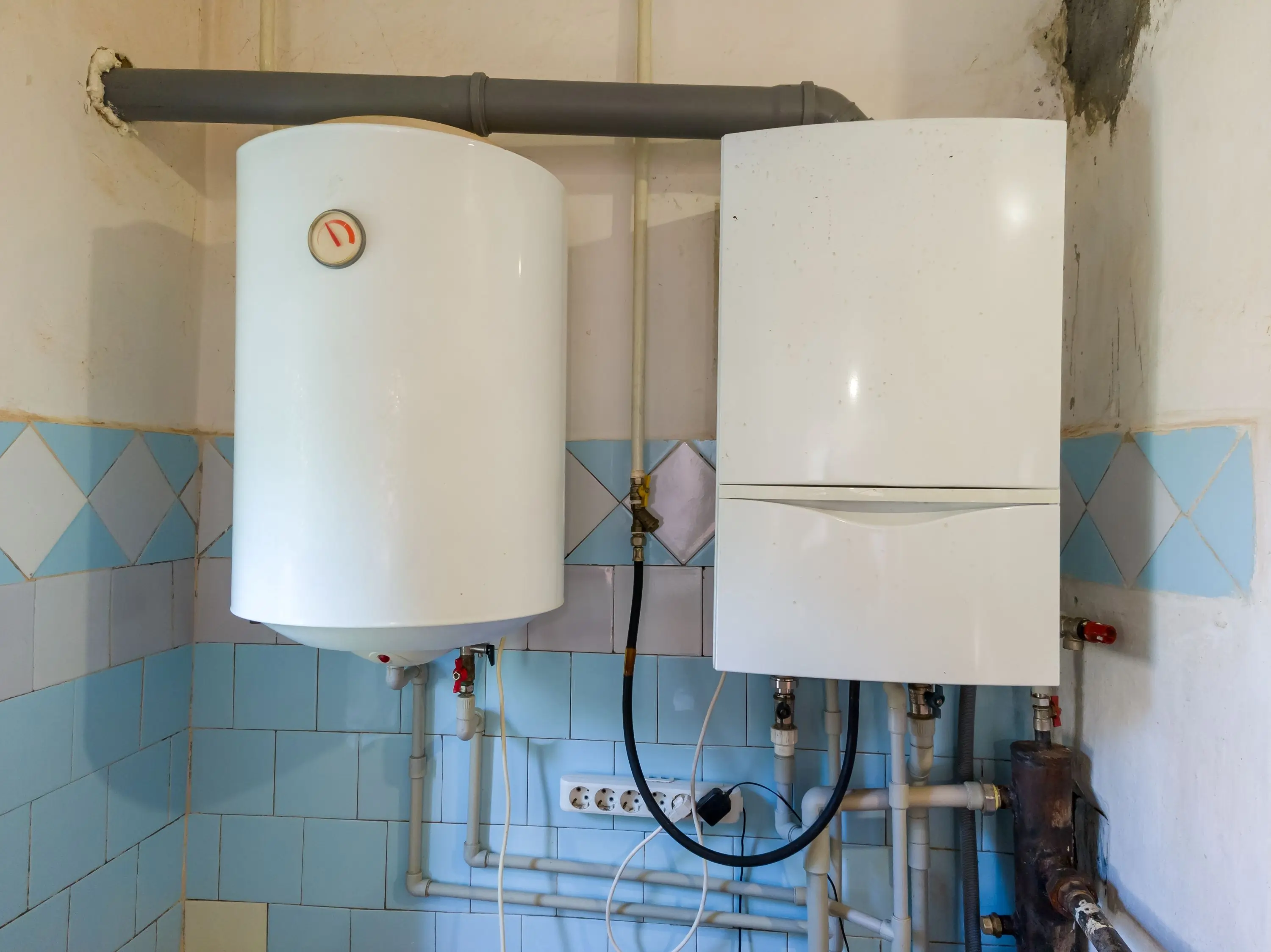
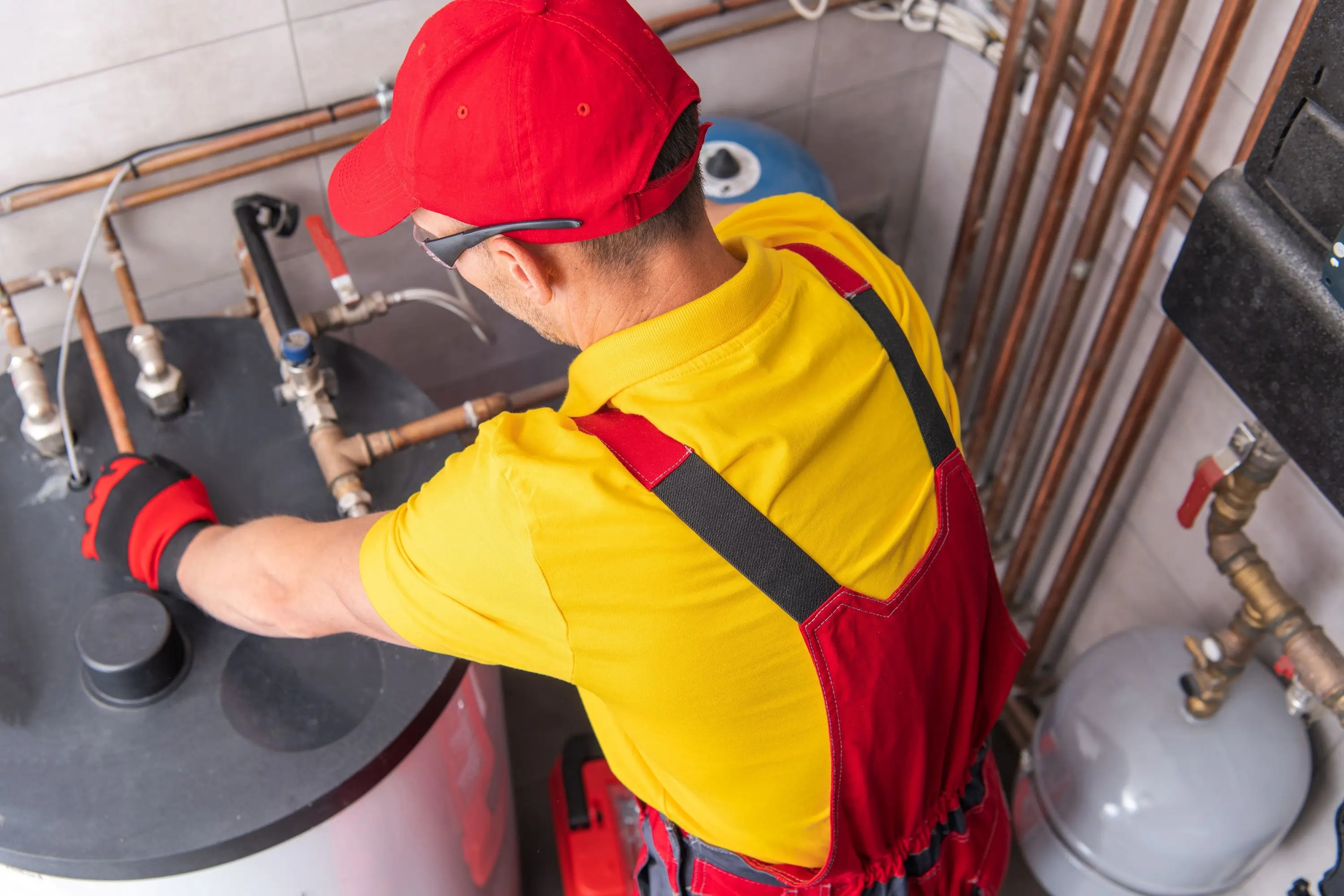
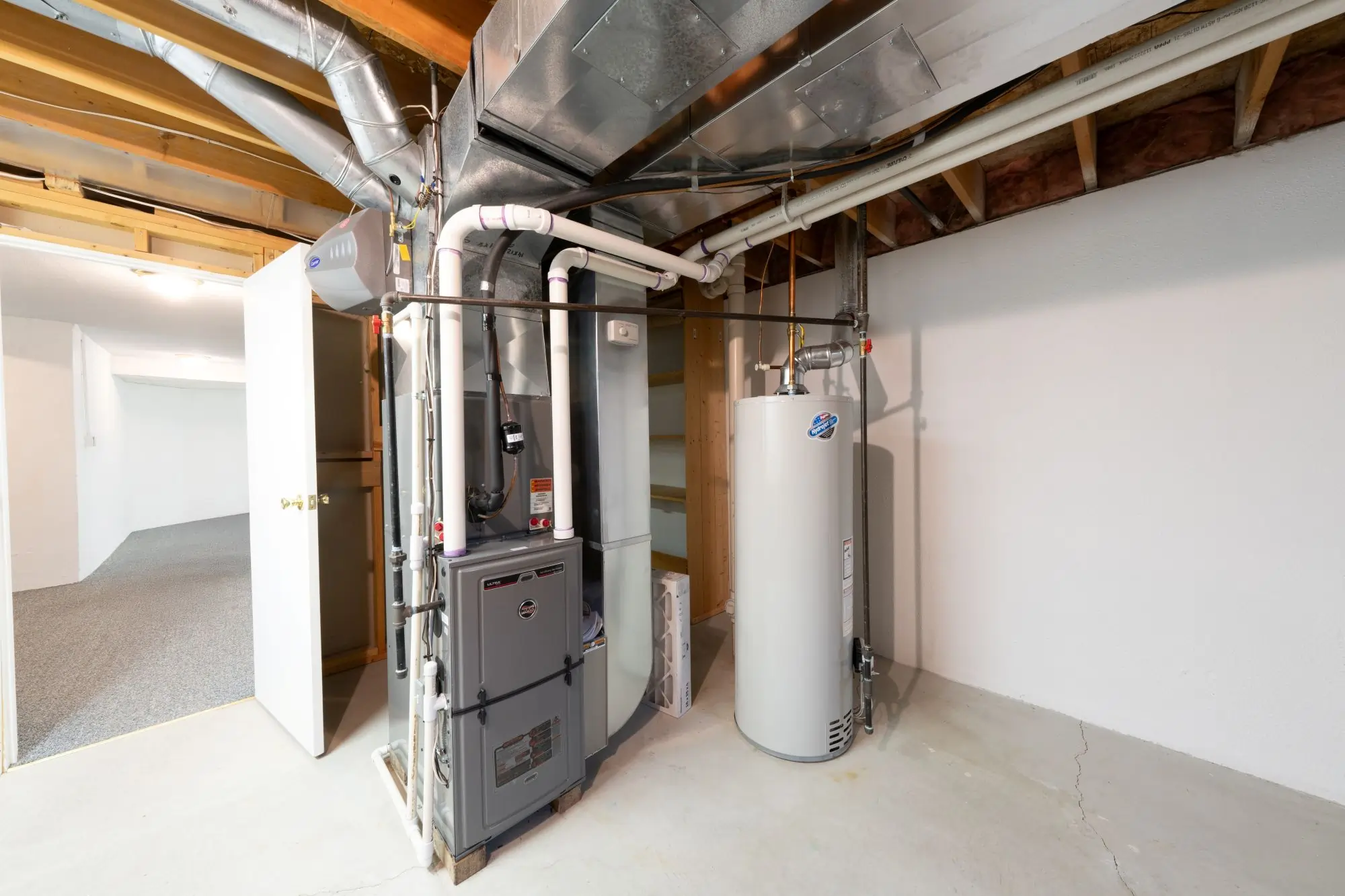
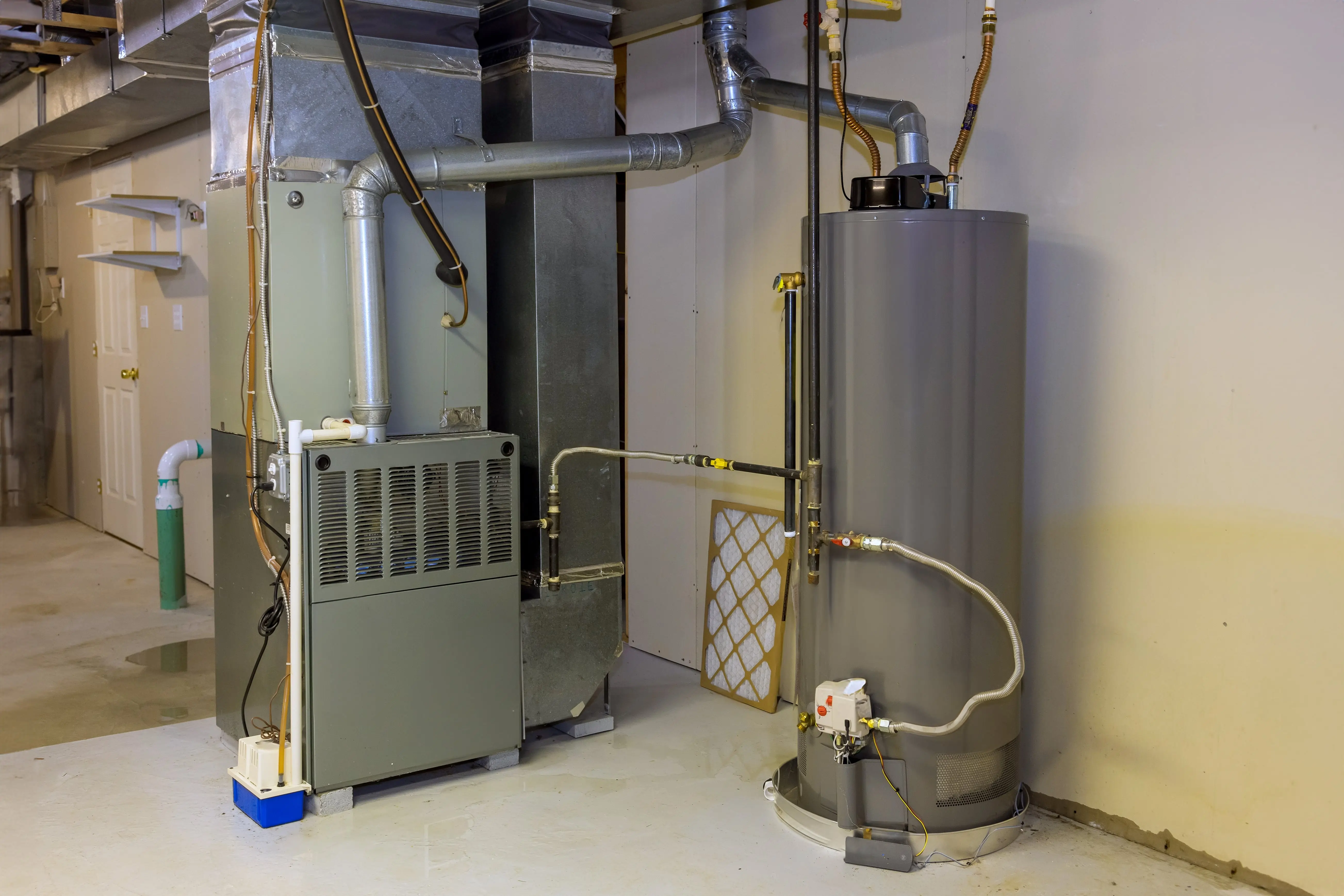
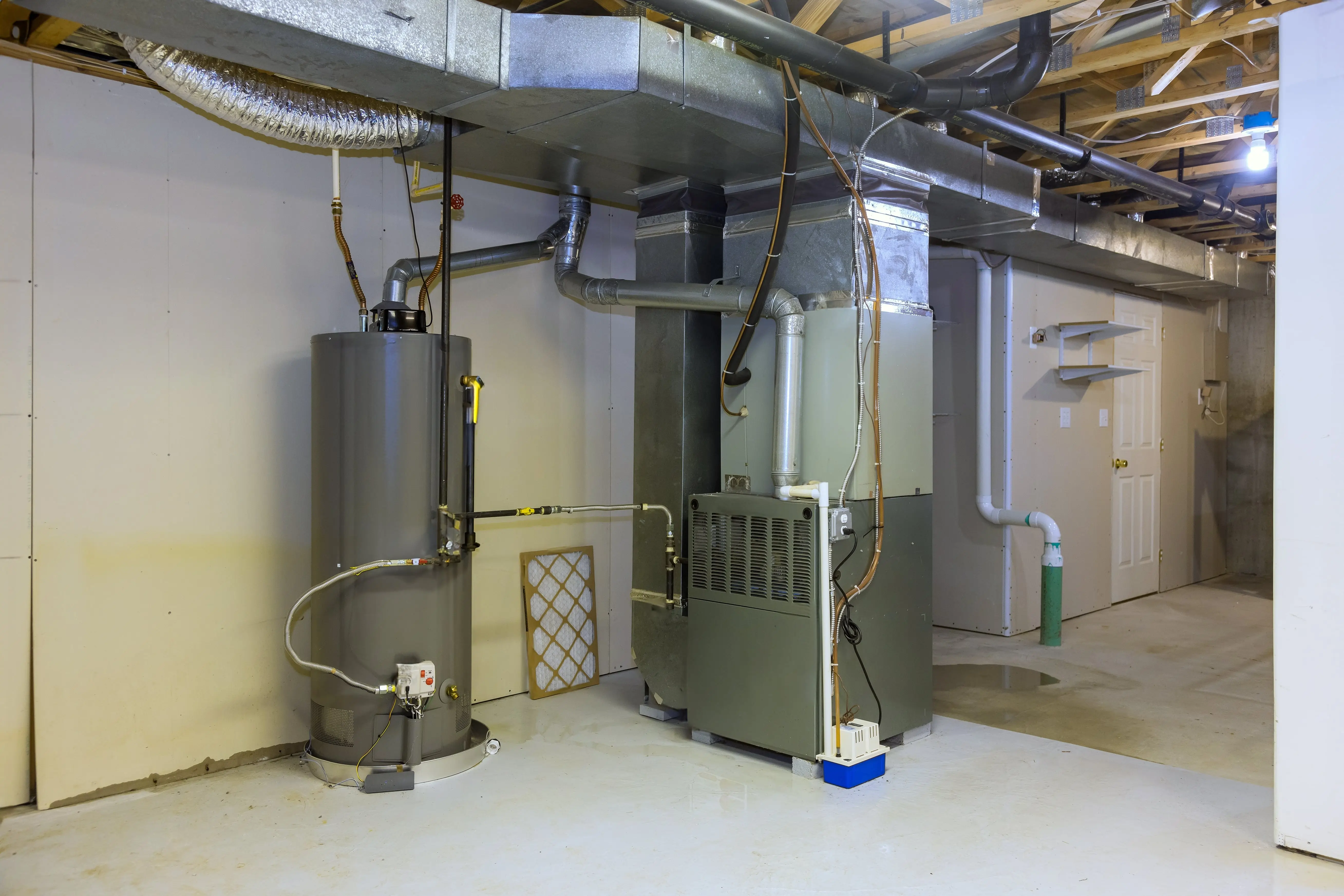
Hot water tanks heat water and store it until needed. This basic method is reliable but often inefficient.
Storage Heating
The tank fills with cold water, heats it, and keeps it hot around the clock. This leads to energy consumption even when no one is using hot water.
Recovery Rate
Once the stored hot water is used up, the tank must reheat another batch. In busy households, this can create delays or periods of lukewarm water.
Energy Loss From Standby Heating
Heat escapes from the tank throughout the day, requiring the system to cycle repeatedly just to maintain temperature.
How Tankless Water Heaters Work
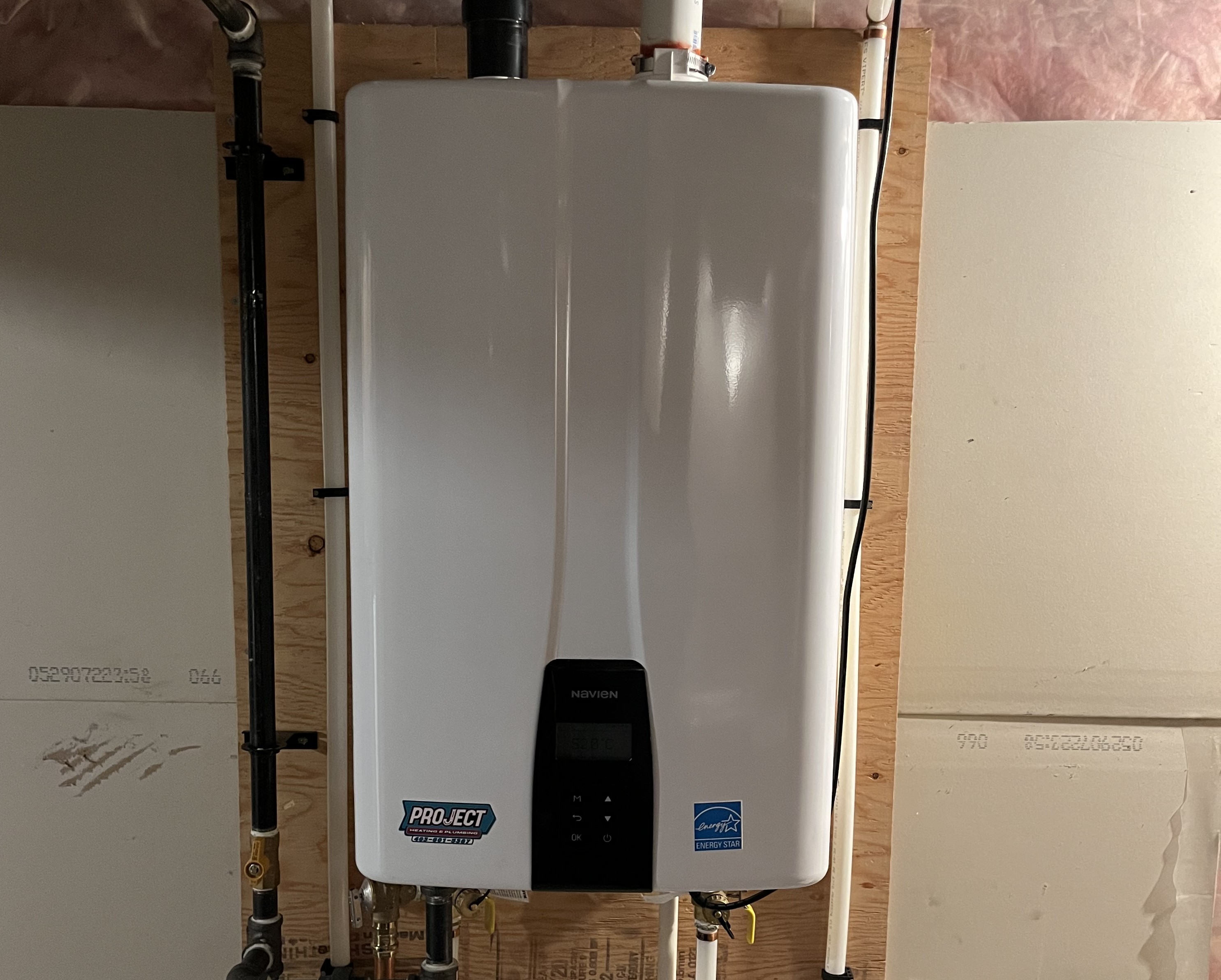
Tankless systems heat water only when needed, delivering hot water instantly without storing it.
On Demand Heating
Cold water flows through a high efficiency heat exchanger that produces hot water each time a tap is turned on. This eliminates standby losses entirely.
Flow Rate Considerations
The output of a tankless system depends on flow rate. Larger homes or high simultaneous demand may require a higher capacity unit or multiple systems.
Freeze Protection for Alberta
Tankless models designed for cold climates include freeze protection systems that prevent damage during Alberta’s harsh winter conditions.
If homeowners want to explore system types or understand what installation involves, they can browse water heater installation options for more details.
Efficiency and Operating Cost Differences
Tankless systems often operate more efficiently because they only heat water when needed. Traditional tanks continuously reheat stored water, especially in older homes with higher heat loss. This creates unnecessary energy consumption. A tankless system reduces this waste and can lower monthly utility bills, especially in homes with fluctuating or unpredictable usage patterns.
Installation Requirements and Cost Comparison
Switching to tankless can require more complex installation work depending on the home’s layout and existing utilities.
Venting upgrades may be required
Gas lines may need upsizing for higher output burners
Electrical systems may need adjustments
Homeowners often gain additional mechanical room space
While tankless systems carry a higher upfront cost, many homeowners consider the long term savings and added convenience a worthwhile investment.
To compare tankless options, homeowners can review tankless system upgrades to understand performance differences.
Lifespan, Maintenance, and Reliability
Traditional hot water tanks typically last 8 to 12 years, depending on water quality and usage. Tankless systems, on the other hand, often provide 15 to 20 years of service due to more durable components and reduced heat stress.
Tankless systems require periodic descaling in areas with hard water to maintain optimal performance. Meanwhile, tanks require flushing to remove sediment buildup and prevent corrosion.
Pros and Cons for Alberta Homes
Each system has advantages depending on the household’s specific needs.
Hot Water Tank Pros
- Lower purchase cost
- Easier installation
- Suitable for smaller homes
Hot Water Tank Cons
- Standby energy loss
- Shorter lifespan
- Limited stored hot water
Tankless Pros
- Endless hot water
- Higher efficiency
- Longer lifespan
- Space savings
Tankless Cons
- Higher upfront cost
- Potential gas line or venting upgrades
- Flow rate limitations if undersized
Rebates and Long Term Value
Government rebate programs in Alberta encourage homeowners to adopt more efficient technologies. Tankless systems often qualify for incentives, reducing total installation costs. When combined with energy savings and longer lifespan, the overall return on investment can be substantial for many households.
Choosing the Right System With a Professional
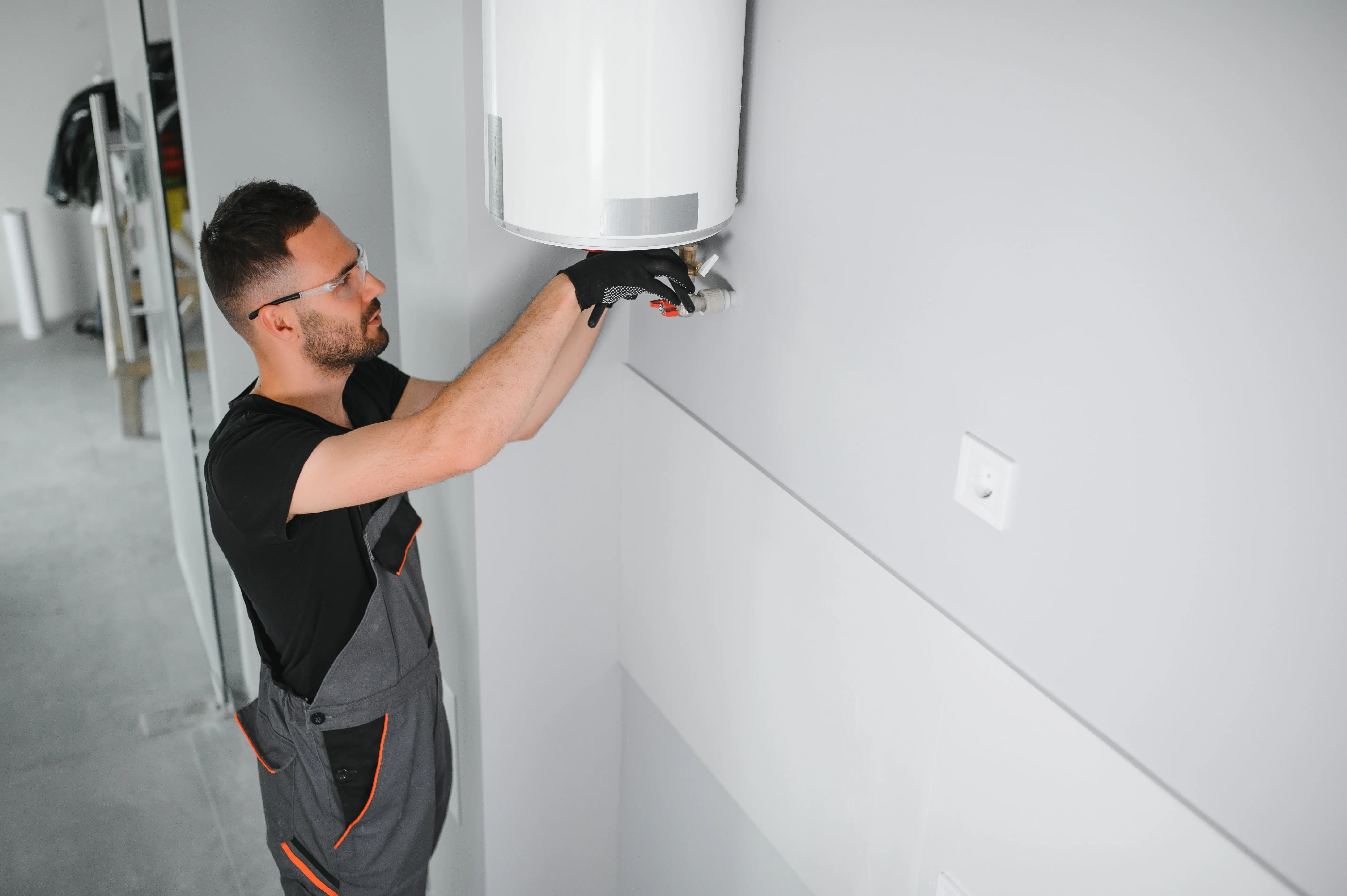
A water heating professional evaluates water usage patterns, home layout, energy goals, and long term costs before recommending either replacement or upgrade. An assessment also identifies whether venting, gas lines, or electrical systems require modification.
Homeowners wanting to understand full system compatibility and performance can explore Project Heating & Plumbing for comprehensive guidance.
For personalized recommendations or installation quotes, you can schedule a water heater assessment to determine the best option for your home.







.png)
.png)