When homeowners upgrade a furnace or air conditioner, they often assume the existing ductwork will continue working without issues. Project Heating & Plumbing helps homeowners understand when ductwork should be replaced during an HVAC upgrade and when it can remain in place. In many Alberta homes, older ducts restrict airflow, leak conditioned air, or fail to support the efficiency of new equipment.
Upgrading ductwork at the right time can significantly improve performance, comfort, and indoor air quality. Knowing the signs of failing ducts helps homeowners make an informed, cost-effective decision.
Why Ductwork Matters During a Furnace or AC Upgrade
Ductwork determines how well heated or cooled air moves through the home. Even the best furnace or AC cannot perform properly if airflow is restricted or leaking. Old or poorly designed ducts create pressure problems, reduce efficiency, and force new equipment to work harder, which shortens system lifespan. Ensuring the ducts match the airflow requirements of modern HVAC equipment protects the investment and improves long-term comfort.
Signs Your Ductwork Needs Replacement
Identifying duct issues early helps homeowners avoid unnecessary strain on new equipment.
Visible Damage and Air Leaks
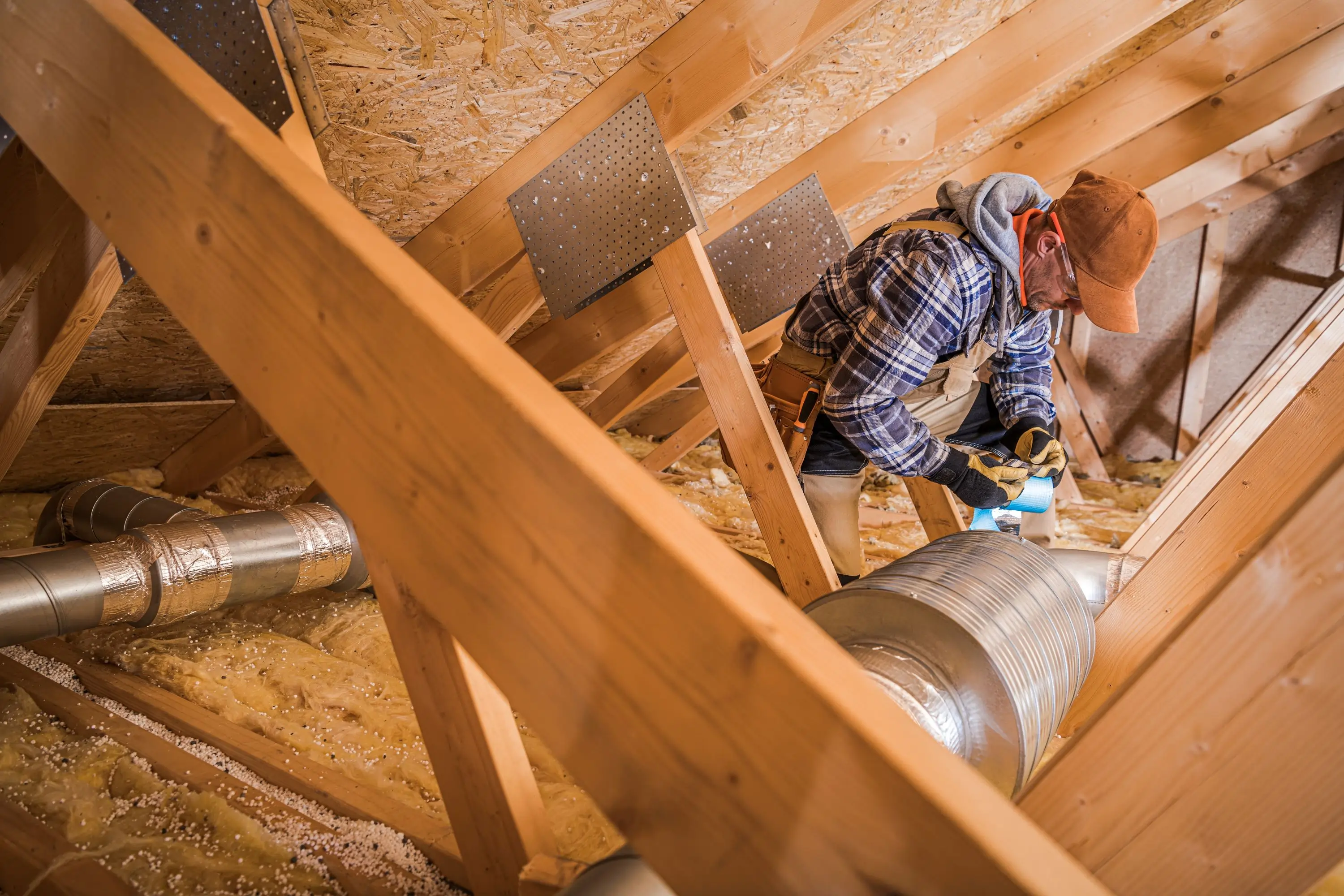
Crushed metal ducts, disconnected joints, loose seams, and gaps in sheet metal are common in older Alberta homes. These allow heated or cooled air to escape before reaching the intended rooms, leading to higher utility bills and uneven temperatures.
Poor Airflow and Hot or Cold Spots
Rooms that feel consistently too warm or too cold often indicate undersized ducts, blockages, or restricted pathways. New HVAC systems depend on balanced airflow, and old ductwork may not meet these requirements.
Excess Dust, Allergens, and Indoor Air Quality Issues
Dust buildup, musty odors, and visible dirt around vents suggest leaking return ducts pulling contaminants into the system. This reduces filtration effectiveness and contributes to allergy symptoms.
Noise, Pressure Problems, and Outdated Materials
Whistling, banging, or high air pressure can signal undersized ducts or outdated materials that cannot support modern airflow levels.
How New Ductwork Improves System Performance
Replacing ductwork during a furnace or AC upgrade ensures the new system operates at its intended efficiency. Homeowners who want to understand how modern systems are designed can explore trusted heating and cooling professionals for an overview of current HVAC standards.
Airflow Optimization
Properly sized ducts allow the correct volume of air to travel through the system. Better vent placement and balanced design enhance comfort in every room.
Energy Efficiency Gains
Sealed and insulated ducts reduce heat loss in winter and heat gain in summer. Improved airflow also helps new equipment achieve its rated efficiency.
Better Comfort and Air Balancing
A new duct system creates consistent temperatures throughout the home. Air balancing eliminates hot and cold spots and reduces strain on HVAC components.
Improved Indoor Air Quality
New ducts prevent dust and debris from circulating throughout the home. Proper sealing eliminates contamination from attics, crawl spaces, or unfinished basements.
When You Should Replace Ductwork During an Upgrade
Duct replacement is often recommended when:
Ducts are 20 to 30 years old or older
There is significant leakage or physical damage
Previous renovations changed airflow needs
The old system was undersized or poorly designed
When You May Not Need Full Replacement
Some duct systems still perform well:
Ducts are structurally sound
Sizing matches the new equipment
Minor leaks can be sealed
Ductwork has been updated within recent years
Cost Considerations and Long-Term Value
Replacing ductwork adds upfront cost but often saves money long term through lower utility bills and reduced strain on the HVAC system. If homeowners want clarity on system pairing and performance, they can explore furnace installation options for details on compatibility and airflow requirements.
HVAC Professionals Make the Best Recommendation
A professional duct inspection reveals issues hidden behind walls, in attics, or in tight mechanical spaces. Recommendations depend on static pressure readings, duct sizing, vent placement, insulation, and airflow capacity. Alberta homes vary widely in age and layout, making expert assessment essential.
For homeowners upgrading their cooling system, reviewing AC system upgrades helps ensure the ductwork supports modern efficiency and comfort standards.
If you need a personalized evaluation of your duct system and upcoming HVAC upgrade, you can schedule an HVAC assessment for expert guidance.








.png)
.png)