Expert Heating Solutions in Okotoks & Area
Gas vs. Electric Tankless Water Heaters
Compare gas vs electric tankless water heaters for Alberta homes. Learn which option performs better in cold climates, installation costs, and long term efficiency.

Compare gas vs electric tankless water heaters for Alberta homes. Learn which option performs better in cold climates, installation costs, and long term efficiency.
Choosing between gas and electric tankless water heaters is a common decision for homeowners upgrading their hot water systems. In Okotoks and across Alberta, the right choice depends on installation requirements, winter performance, operating costs, and long term reliability, not just upfront pricing. Experience from Project Heating helps homeowners compare real world performance rather than relying on surface level specifications.
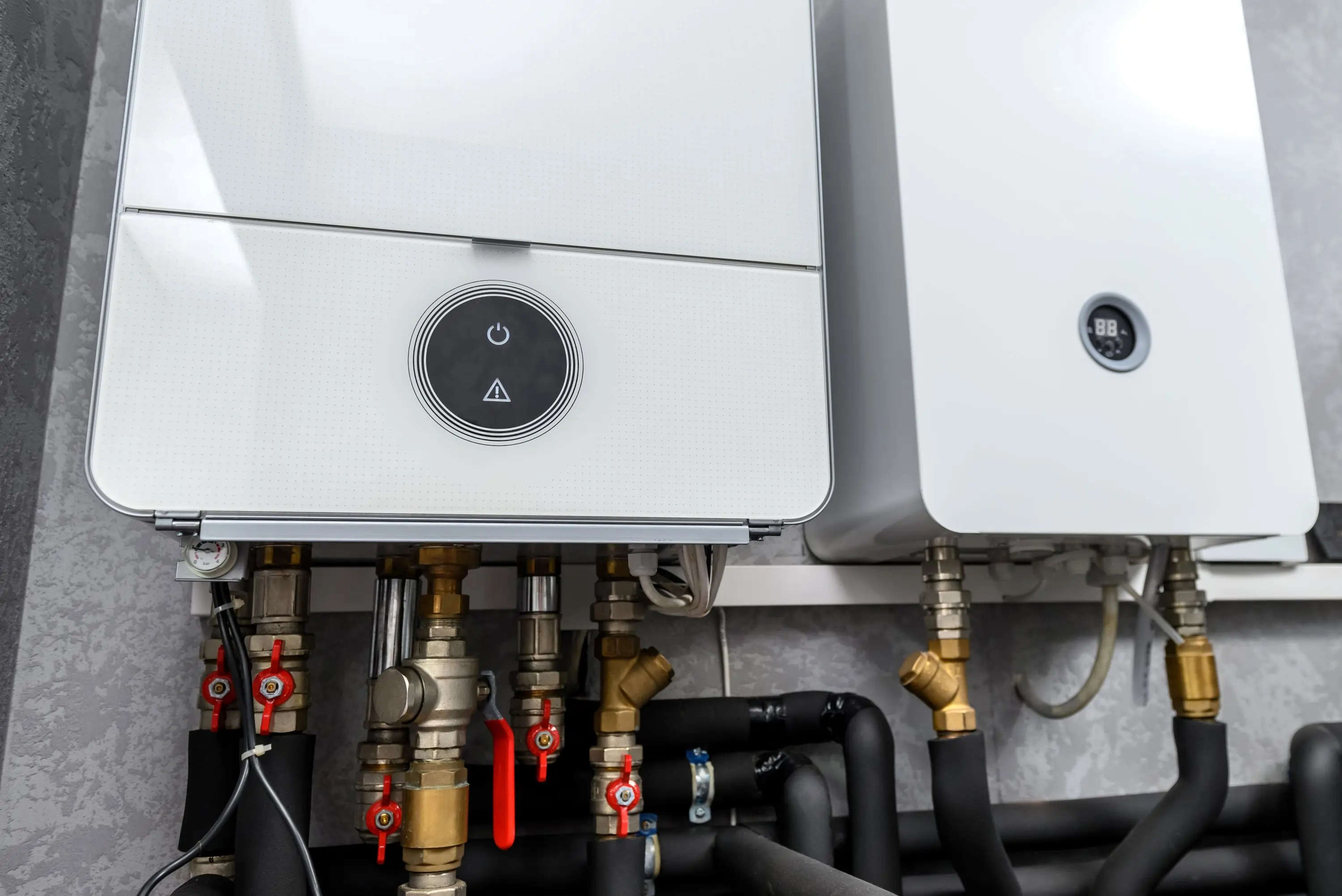
Both gas and electric tankless systems heat water on demand, delivering hot water only when a fixture is in use. The difference lies in how quickly and efficiently each system can raise cold inlet water to a usable temperature.
Gas units use high output burners fueled by natural gas or propane, while electric systems rely on powerful heating elements. In cold climates, heat delivery speed becomes a major factor in overall performance.
When comparing on demand water heating systems for Alberta homes, output capacity and winter reliability matter more than size or advertised efficiency ratings.
Electric tankless water heaters typically have a lower upfront unit cost. Their compact size and simpler design can make them attractive for certain applications.
Gas tankless systems usually involve a higher initial investment due to venting requirements and gas line considerations. However, upfront cost alone does not reflect long term value, especially in cold climates where performance limitations can affect daily use.
Installation is where many differences become clear. Electric systems often require significant electrical upgrades, including higher amperage panels and multiple dedicated circuits. Many existing homes are not equipped to support this level of electrical demand.
Gas systems require proper venting and correctly sized gas lines, but they place far less strain on the home’s electrical infrastructure. Installation quality directly affects winter performance and system longevity.
Professional tankless system installation ensures the chosen unit is matched to the home’s capacity and Alberta’s climate demands.
Cold inlet water temperatures highlight the biggest performance gap between gas and electric systems. Electric units often reduce output during winter to maintain temperature, which can limit simultaneous hot water use.
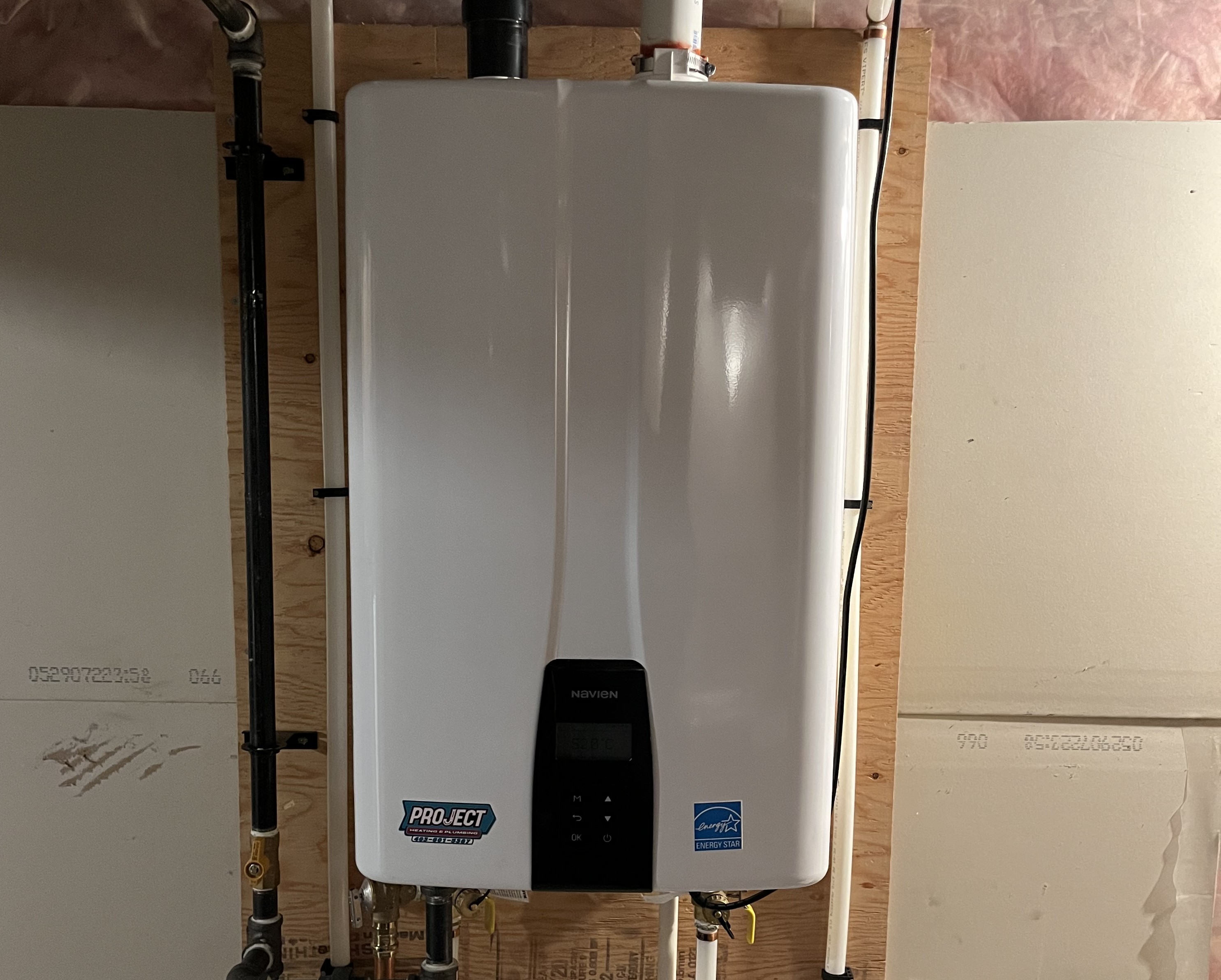
Gas tankless systems deliver higher heating output, allowing them to maintain consistent temperature and flow even when groundwater temperatures drop. For homes with multiple bathrooms or overlapping demand, gas systems generally perform more reliably throughout long winter seasons.
Cold climate performance is largely determined by temperature rise, which is the difference between incoming groundwater temperature and desired hot water output. During Alberta winters, inlet water temperatures can approach near freezing, requiring a much higher temperature increase to reach comfortable hot water levels.
Gas tankless systems are designed to deliver higher heating output, allowing them to maintain flow rate while achieving a larger temperature rise. Electric systems are limited by electrical input capacity, which can force them to reduce flow when temperature rise demands exceed their maximum output. This difference becomes more noticeable during extended cold periods when groundwater remains consistently cold.
Understanding temperature rise helps explain why gas systems tend to feel more stable in winter, especially in homes with higher or overlapping hot water demand.
Electric units are often described as highly efficient because most electrical energy converts directly to heat. However, efficiency ratings do not account for reduced winter flow or increased electrical demand during peak usage.
Gas systems consume more fuel but provide higher output with fewer compromises. In Alberta, natural gas pricing often makes long term operating costs more predictable for high demand households.
Over time, gas tankless systems tend to offer more stable performance in cold climates, which can offset higher upfront costs.
Maintenance plays a significant role in long term performance for both gas and electric tankless water heaters. Mineral buildup from hard water can reduce efficiency and heat transfer over time, making regular descaling important.
Gas systems typically require annual servicing that includes heat exchanger cleaning, combustion inspection, and venting checks. Electric systems often have fewer combustion related components but are still affected by scale buildup, especially in cold climates where higher temperature rise increases mineral precipitation.
Consistent maintenance helps preserve efficiency, prevent premature wear, and ensure reliable winter performance. Factoring maintenance needs into long term ownership costs provides a more accurate comparison between gas and electric systems.
Electric tankless water heaters can work well in smaller homes with limited demand and sufficient electrical capacity. For most Okotoks homes facing long winters and higher usage, gas tankless systems typically provide better flow stability and winter performance.
Gas tankless systems rely on proper venting and air intake design to operate safely and efficiently in winter conditions. Sealed combustion systems draw air from outside and expel exhaust through dedicated venting, which must be positioned and insulated to prevent frost buildup or blockage.
Improper vent placement can lead to condensation freezing inside intake or exhaust lines, restricting airflow and reducing performance. Cold climate installations account for snow accumulation, prevailing winds, and clearances to prevent ice related issues during peak winter operation.
Correct venting design is a critical part of long term winter reliability and one of the main reasons professional installation matters in Alberta homes.
Before deciding, homeowners should consider household demand, electrical capacity, and winter usage patterns. To determine the best option for your home, it is recommended to book a tankless water heater assessment in Okotoks with a qualified professional.
With proper planning and installation, both systems can be effective, but for Alberta’s climate, gas tankless water heaters are often the more dependable long term solution.
.png)
.png)