Many Alberta homeowners rely on heat pumps to manage both heating and cooling, but older units often struggle in colder conditions and consume more energy than necessary. Project Heating & Plumbing helps homeowners understand how replacing an aging heat pump with a modern model can significantly improve comfort, reduce energy use, and better support year round performance in Alberta’s variable climate. Newer systems offer substantial advancements that address the challenges of winter temperatures while improving efficiency in shoulder seasons.
A well timed replacement can also prevent rising repair costs and enhance long term reliability. Understanding the benefits of updated technology ensures homeowners make informed decisions that maximize value.
Why Heat Pump Replacement Improves Efficiency
Older heat pumps often lose performance due to worn components, outdated refrigerants, and lower efficiency ratings. As equipment ages, it must work harder to maintain indoor temperatures, leading to longer run times and increased energy use. Many older units were not designed for cold climate operation, meaning they struggle once outdoor temperatures drop below freezing. Newer heat pumps use advanced engineering to handle these conditions more effectively, offering stronger heating output, improved reliability, and consistent efficiency even during cold weather.
Advancements in Modern Heat Pump Technology
Recent innovations have dramatically improved heat pump performance, especially in regions like Alberta with fluctuating temperatures.
Cold Climate Capabilities
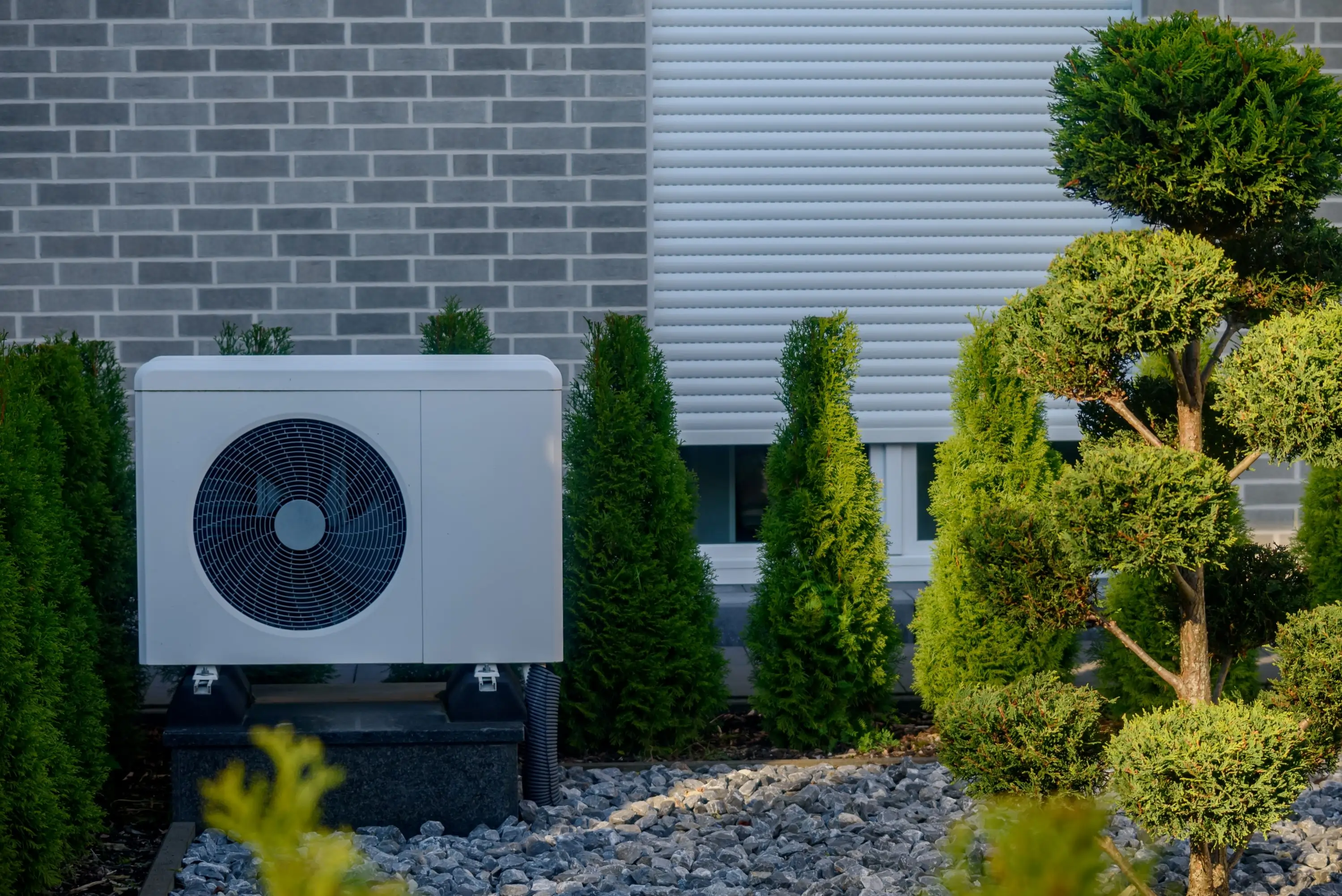
Cold climate heat pumps operate efficiently in sub zero conditions, maintaining strong heating output without relying heavily on backup heat. Improved defrost cycles reduce energy waste and prevent the frost buildup that often caused older models to lose efficiency.
Variable Speed Compressors
Variable speed and inverter driven compressors adjust output to match the exact heating or cooling demand. This reduces energy consumption, eliminates temperature swings, and provides quieter, smoother operation.
Higher SEER2 and HSPF2 Ratings
Modern efficiency ratings reflect advancements in refrigerants, motors, and coil design. These improvements reduce electricity usage, resulting in lower utility bills throughout the year.
Refrigerant Improvements
Newer heat pumps use updated refrigerants that offer better heat transfer and improved cold weather performance compared to older systems. These refrigerants operate more efficiently at lower temperatures, allowing modern units to deliver stronger heating output during Alberta winters. Older refrigerants found in aging systems often struggle to maintain capacity in freezing conditions, which contributes to higher energy use and reduced comfort.
If homeowners want to explore system options or compare updated efficiency features, they can review details from trusted HVAC professionals for additional guidance.
Heating Performance in Alberta’s Winter Conditions
Heat pumps in Alberta must manage cold weather challenges that are less common in milder climates. Improved compressor technology allows newer units to deliver comfortable heat even as temperatures drop. Updated defrost systems minimize downtime, while hybrid setups can pair heat pumps with furnaces for additional backup in extreme cold. Some modern systems automatically switch between heat pump and furnace operation to balance efficiency and reliability, providing comfort without unnecessary energy use.
Energy Savings and Operating Cost Reductions
A modern heat pump typically uses less electricity than an older unit, especially in spring and fall when temperatures fluctuate. Reduced runtime, better heat transfer, and improved pressure control contribute to lower monthly utility costs. Many homeowners also see long term savings through fewer repairs and better overall system performance.
When Replacement Makes Financial Sense
Heat pump replacement often becomes worthwhile under these conditions:
Units older than 10 to 15 years
Frequent repairs or declining performance
Noise or vibration issues
Rising electricity bills
Outdated refrigerants no longer supported by manufacturers
These factors indicate a system may not be operating efficiently or may be nearing the end of its useful lifespan.
Heat Pump Replacement Costs and Available Rebates
Replacement cost depends on system type, home size, and installation requirements. Modern cold climate models are more advanced but offer better return on investment through improved efficiency and lower operating costs. Alberta rebate programs may offset some of the upfront expense, making energy efficient upgrades more accessible. Lifespan expectations typically range from 12 to 20 years with proper maintenance.
How a New Heat Pump Improves Year Round Comfort
Modern heat pumps deliver quieter operation, better humidity control, and more stable temperatures than older models. Variable speed settings reduce sudden bursts of airflow, and improved refrigerant flow supports smoother operation. These features create a more comfortable indoor environment throughout all seasons.
Professional Assessment for Alberta Homes
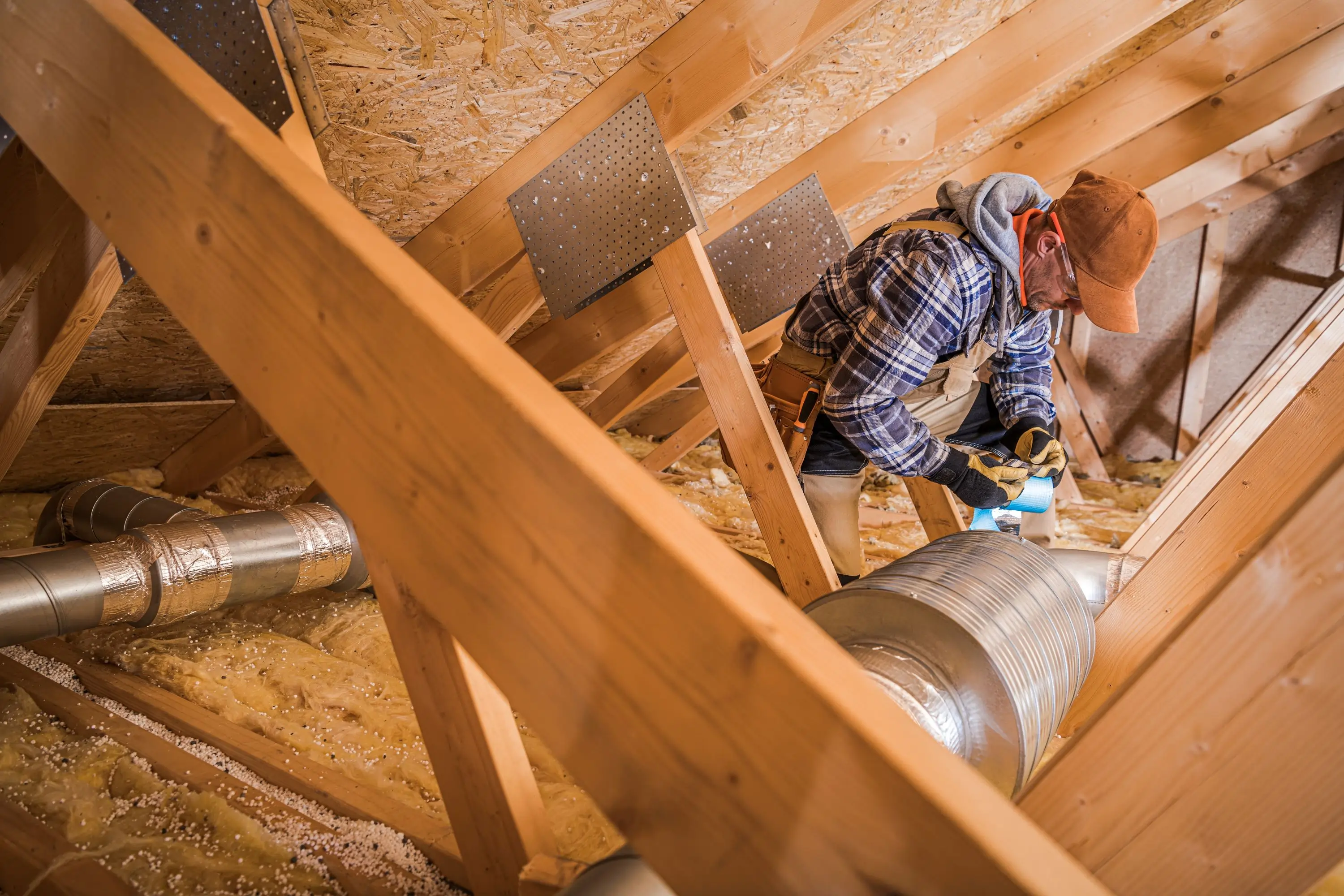
A proper assessment ensures the new heat pump is sized and installed correctly for Alberta’s climate. Technicians evaluate insulation levels, ductwork condition, system compatibility, and heating requirements before recommending replacement. Correct sizing is essential, especially in colder regions where oversized or undersized systems can reduce efficiency.
Heat Pump Sizing and Home Insulation
System size must match the home’s insulation quality, window efficiency, and heat loss rate. Homes with poor insulation may require supplemental heating or a hybrid system to achieve consistent comfort. Modern heat pumps perform best when paired with adequate insulation, allowing the equipment to maintain stable temperatures without excessive runtime.
Homeowners who want tailored recommendations or performance evaluations can schedule a heat pump assessment to determine the best replacement approach.













.png)
.png)